
Rat poisons contain chemicals that can harm people as well as rodents. Depending on the product, exposure may happen by swallowing bait, getting it on your skin, or breathing in contaminated dust or gas.
If you are asking, can you die from smelling rat poison?, the important distinction is between noticing an odor and inhaling a harmful amount of a substance. A smell alone cannot tell you whether poisoning has occurred. The ingredient, formulation, and extent of exposure matter.
If you suspect an inhalation exposure, move to fresh air and contact a poison center. If someone collapses, has a seizure, cannot be awakened, or has trouble breathing, call emergency services immediately.
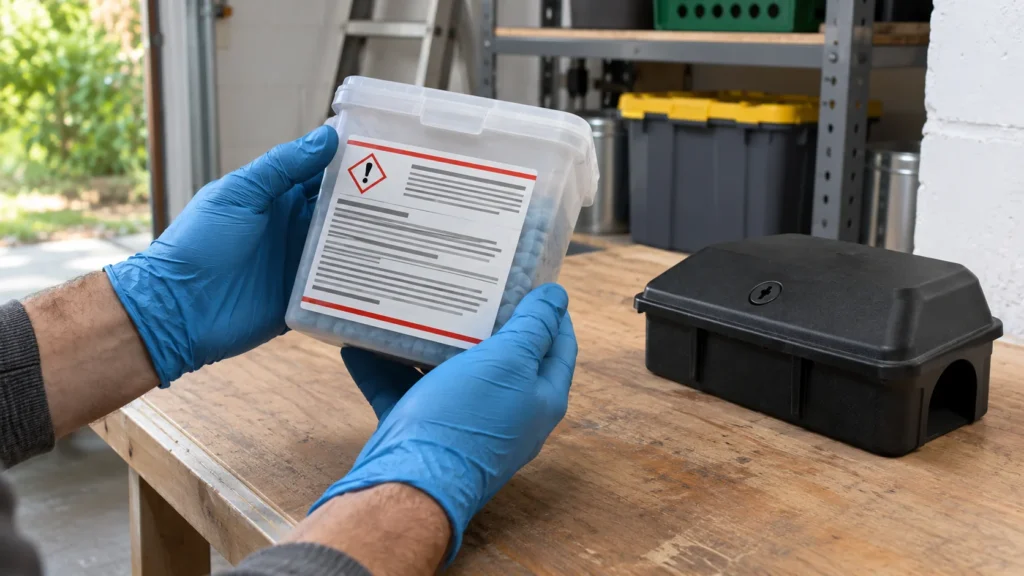
Can you die from smelling rat poison?
Severe inhalation exposure to certain rodenticides or the gases they release can be fatal. However, noticing an odor near a bait package does not by itself establish that you have inhaled a toxic dose.
For example, bromadiolone does not readily enter the air, so breathing it in as a vapor is unlikely. That does not make the bait harmless: swallowing it, touching contaminated material, or handling dusty products can create other exposure concerns.
Phosphide products need particular attention. Zinc phosphide is used in some rodent baits, while aluminum and magnesium phosphide are used as fumigants. Under relevant conditions these substances can release highly toxic phosphine gas. Fumigants should never be treated as ordinary household bait.
Do not deliberately sniff a product to identify it. Phosphine odor is an unreliable warning of danger, so an absence of smell does not establish that an area is safe.
Effect of rat poison on the human body
Rat poisons are not all made with the same ingredients, and they do not all cause the same symptoms. Always identify the active ingredient from the label rather than the bait’s color or brand name.
Anticoagulants, including bromadiolone and brodifacoum, interfere with normal blood clotting. Significant poisoning can cause bruising or internal bleeding, and symptoms may be delayed. Other rodenticides affect the nervous system, calcium balance, or cellular energy production. Our explanation of how different rat poisons work covers these differences.
After significant phosphine exposure, possible warning signs include headache, dizziness, nausea, vomiting, and breathing difficulty. Severe poisoning can damage major organs. These symptoms have many possible causes, so they should not be used to diagnose a particular poison at home.
What happens if you smell rat poison?
Stop handling the product and move away from the possible source. If you suspect you breathed in pesticide dust or gas, take the following steps:
- Get to fresh air. Keep other people and pets away from the affected area.
- Avoid a second exposure. Do not enter an enclosed or potentially contaminated space to investigate or rescue someone without trained emergency help.
- Get product-specific advice. In the United States, call Poison Control at 1-800-222-1222. Outside the US, contact your local poison center or emergency medical service.
- Identify the product safely. Give the specialist the product name, active ingredient, and details of when and how the exposure happened. Use a label photo if it is already available; do not go back into a hazardous area to retrieve the package.
- Follow the label and professional instructions. Do not use home remedies, induce vomiting, or take an antidote on your own.
Do not wait for symptoms after a suspected significant exposure. In the US, call 911 for collapse, seizures, inability to wake, or breathing trouble. A medical professional treats human poisoning; a veterinarian should be contacted for an exposed pet.
Preventive Measures
Read the entire product label before using rodenticide. Follow its instructions for placement, storage, ventilation, and protective equipment. An ordinary face covering should not be relied on as protection from toxic gas.
- Keep bait in the packaging or station specified by its label, and store unused products in their original containers away from food.
- Prevent children and pets from reaching bait, spilled material, or poisoned rodents.
- Avoid crushing bait or creating airborne dust. Follow product-specific spill instructions and seek help with an unknown or damaged container.
- Wash your hands after handling the product, including after removing gloves.
- Seal entry points, store food securely, and remove accessible food scraps and water to reduce rodent activity.
Trapping may help you reduce pesticide use, but traps also need appropriate placement away from children and pets. Strong-smelling oils should not replace exclusion and sanitation. If bait is no longer needed, follow the label and our guide to disposing of leftover rat poison.
FAQs
Can mouse poison be inhaled?
Yes. Dust from some mouse poisons can be breathed in, and certain phosphide products can release dangerous gas. The risk depends on the ingredient and exposure. Noticing the food-like scent of a bait does not identify its toxicity.
What are the symptoms of rat poisoning in humans?
Symptoms vary by ingredient and route of exposure. Possible warning signs include:
- Unexplained bruising, nosebleeds, or bleeding gums
- Blood in urine or stool
- Vomiting, weakness, headache, or dizziness
- Breathing difficulties, seizures, or reduced consciousness
Some effects develop later. Contact a poison center after a suspected exposure rather than waiting for a particular symptom.
What should I do if I touch rat poison?
Follow the product’s skin-exposure instructions immediately and contact a poison center. For ordinary bait on skin, general first aid includes removing contaminated clothing and rinsing with running water; mild soap can help remove material. Do not apply Dettol, bleach, or other disinfectants as a poisoning treatment. Unknown phosphide powders require specialist guidance because moisture can release gas.
Can you die from smelling rat poison without feeling sick immediately?
Some serious inhalation exposures can have delayed effects. Feeling well immediately afterward cannot rule out poisoning. Move away from the source and seek product-specific advice; the smell itself cannot determine the dose or the need for treatment.
seizure the head spinning fill like folin
Rayda, if you are having a seizure, collapsing, or having trouble breathing now, call emergency services immediately (911 in the US). If you suspect you breathed in rat poison dust or fumes, get to fresh air if you can do so safely, then contact Poison Control (1-800-222-1222 in the US) or your local poison center. Do not wait for an online reply. If the episode has passed, an unexplained seizure still needs medical assessment. These symptoms can have several causes; they do not confirm rat poisoning.