
Can rat poison get into eggs from backyard chickens? Yes. Researchers have detected residues of some rodenticides in the yolks of eggs laid by exposed hens. If a hen may have eaten bait, set her eggs aside and contact a poultry veterinarian before using them for food.
A rat sighting near a coop tells you to protect the feed and check for entry points. A missing bait block or a hen seen pecking at bait calls for product information and advice about the bird and its eggs.
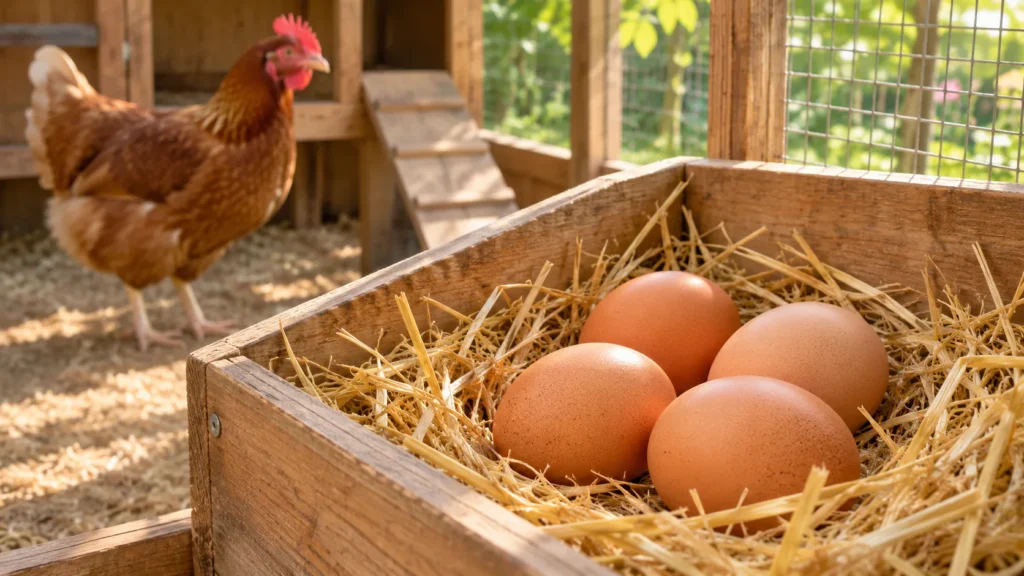
Can rat poison get into eggs?
A controlled study found bromadiolone in yolks after laying hens were given the ingredient. A separate investigation of a poisoned flock measured coumatetralyl in yolks. The studies show that these specific anticoagulant ingredients can reach developing eggs under some exposure conditions.
An egg can look normal and still contain residues. The ingredient, amount eaten, timing, and which hens were exposed all matter. Give those details to a poultry veterinarian or local food safety authority to work out which eggs should be withheld.
How are chickens exposed to rodenticide?
Chickens forage on the ground and can peck at grain bait, pellets, or fragments they find in their run. Exposure can also occur if bait contaminates feed or water. Look at both the coop and the areas where the birds roam, especially around a damaged station or spilled bait.
A hen can also peck at a poisoned rodent. Whether that transfers a concerning amount depends on the ingredient and the amount consumed. Keep birds away from dead rodents. The guide to direct and secondary rodenticide exposure explains these routes.
How does rat poison get into the eggs?
An exposed hen can absorb an ingredient from her digestive tract into her bloodstream. Some of that compound can reach a yolk while it is forming. Because yolks develop before the egg is laid, the day a hen lays an egg gives you only part of the exposure history.
A rat or soiled nest can also leave dirt and germs on the outside of an egg. Bait dust or fragments contacting a shell call for food safety advice. Residues inside the egg require a separate assessment.
What to do if a hen may have eaten rat bait
- Block access. Keep the flock away from the bait, the affected area, and any suspect rodent carcasses. Follow the label when handling material from the station.
- Save the product details. Photograph the label, including the active ingredient. Note when exposure may have happened, which birds could reach the bait, and how much is missing.
- Contact a poultry veterinarian promptly. Share the product information and ask about the birds, their eggs, and any eggs mixed with those from exposed hens. Signs can develop after the initial exposure.
- Set aside potentially affected eggs. Keep them out of meals, sales, giveaways, and animal feed until a veterinarian or food safety authority advises you. Mark collection dates and keep the eggs separate.
- Get advice for anyone who already ate a suspect egg. Contact a poison center for an individual assessment. In the United States, Poison Control is available at 1-800-222-1222.
Ask for a withholding recommendation based on the specific product and incident. Cooking and washing address some ordinary food hygiene concerns. Assessing chemical residues in eggs requires guidance about the actual exposure.
Conclusion
Keep chicken feed in tightly closed containers, clear spills, and repair gaps into the coop or feed room. Protect feeding and nesting areas from rodents, and use traps only where the birds and other animals cannot reach them. If bait is necessary, use a product whose label permits that setting and follow its placement rules.
Check the area for damaged stations or bait fragments, and follow the label and local rules for disposing of unused rodenticide. If you suspect a hen ate bait, identify the product, set the eggs aside, and call a poultry veterinarian.
FAQs
Can rat poison affect chicken eggs?
Yes. Studies have measured certain anticoagulant rodenticides in yolks after hens were exposed. The specific ingredient and timing determine the advice for your flock.
Can rat poison get into eggs if the hen looks healthy?
A hen’s appearance alone cannot establish whether her eggs contain residues. If you have evidence that she reached bait, give the product details and collection dates to a poultry veterinarian.
Can rats contaminate chicken eggs?
Rodents can soil nesting material and the outside of eggs. Keep nests clean and hold eggs aside if they may have contacted bait.
Can chickens get diseases from rats?
Rodents can carry germs into a coop and contaminate feed or water. Secure feed, keep drinkers clean, and check for droppings around the flock. A veterinarian can help determine the cause if birds become ill.